John Byrne Returns to X-Men, the Superheroes that Made Him Famous, to Say Goodbye: “Leaving in a Blaze of Glory” – Hollywood Reporter
The reclusive creator talks about ‘X-Men: Elsewhen,’ his new and possibly final comics project. He also expounds on his worst comic experience and Marvel movies: “I’m not Alan Moore. I’ll take the money.”
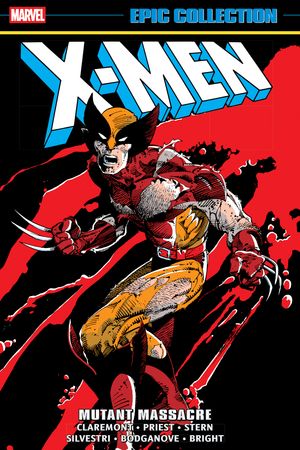
In 1980, Uncanny X-Men was one of the most influential comics at Marvel, attracting readers with its stories of heroes shunned by society, yet willing to don costumes and save a world that hated and feared them. The comics featured unique-looking, internationally-seasoned characters such as Wolverine and Nightcrawler, romance between various teammates, and melodrama galore.
Working as a team, writer Chris Claremont and artist John Byrne were riding a high rarely seen in the industry, creating the now famous “Dark Phoenix” storyline and following it up with “Days of Future Past,” stories that still influence today.
Then, the unthinkable happened. Byrne, fed up after months of creative differences, quit the book, packing up his pencils and art board to work on other Marvel titles. Following popular runs on Fantastic Four, Alpha Flight, and The Incredible Hulk, he eventually left the company he had helped propel out of the sales doldrums of the late 1970s.
Both would survive apart. X-Men would dominate Marvel in the 1980s and 1990s. Byrne built a dynamic career, becoming an even bigger personality. But legions of fans have long wondered, what if…Byrne had never left Uncanny X-Men?
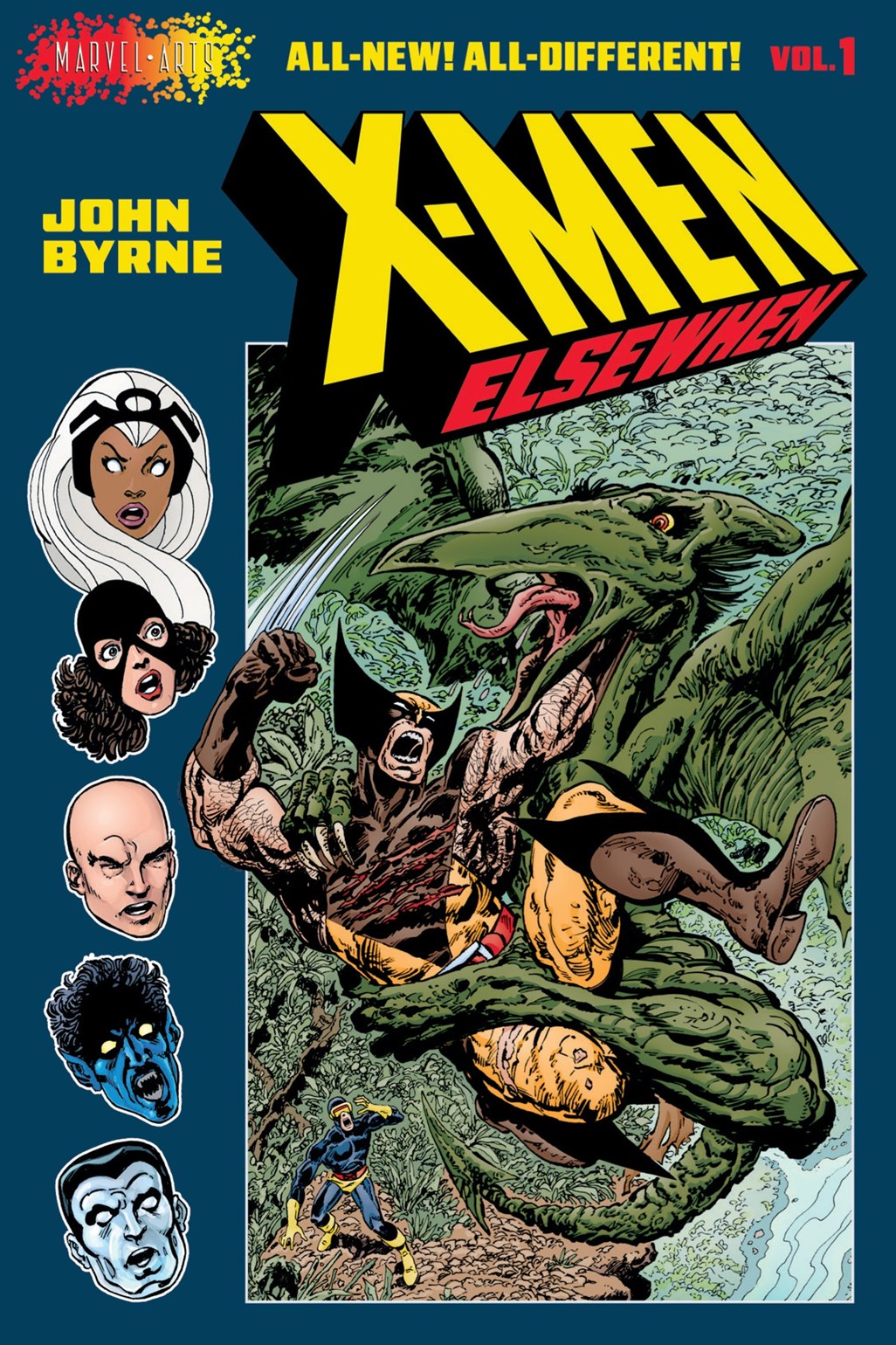
That question is (sort of) answered with X-Men: Elsewhen, Byrne’s first published work in over a decade. Elsewhen, which arrives in stores June 23 from Abrams ComicArts, is not exactly an authorized Marvel title, however. It is, rather, a work of fan fiction. Byrne’s fan fiction.
“Something I’m doing that wasn’t for intended for publication is the definition of fan fiction,” the semi-retired writer-artist tells The Hollywood Reporter. “Some people use the term as a pejorative, and I don’t think it is.”
It is a rare interview with Byrne, who years ago stepped away from the public eye and, for the most part, the comic convention circuit. He did, however, agree to talk about his return to X-Men, which veered into a wide-ranging discussion about his biggest-career regret (that would be taking on Superman in the 1980s) and how while he may not like most Marvel movies, he is happy for the thank you checks.
The whole Elsewhen endeavor began in 2018 with a drawing of the hero Wolverine fighting the human-pterodactyl being known as Sauron.
“Having done that, I suddenly felt compelled to do a second page, and then a third and then a fourth, and it just kept falling out of the pencil,” he recalls. “I eventually got frustrated that no one was seeing it, so I decided to post it on my website as fan fiction.”
Once he started, he didn’t stop. For about three years, about one page every weekday would be posted, around a standard comic book issue a month, give or take a few pages. “I would start each new issue on the first Monday of each month.”
“It made me feel like a young whipper snapper,” he says. “It brought back some of the stuff that had faded over the years.”
He eventually wrote and drew 31 issues. All for fun, all for no pay, and best of all, all with no pesky editorial interference.
The stories begin at a turning point that occurred late in Byrne’s original run. In the comics as published, Jean Grey sacrificed her life to save the universe while fighting off the possession of an entity known as the Dark Phoenix. Then editor-in-chief Jim Shooter ordered Jean be killed, a decision that rubbed the artist as wrongheaded and would lead to his exit a few months later. Byrne’s new stories diverge, with her surviving the experience.
Chris Ryall, who worked with Byrne as editor in chief of indie publisher IDW in the early 2010s and is the editor of Elsewhen, watched the pages go up online.
“It was enthralling to see these pages go up every day,” he recalls. “And to see a guy that was just putting out comics for the fun of it, not driven by market forces or editorial demands or deadline needs or anything like that. He just did to see if he could.”
Ryall wanted to get the work to an audience beyond the website but Byrne initially had no interest in publishing it as a book. That wasn’t his original intent, after all. And secondly, his relationship with Marvel was nonexistent. But Ryall coaxed Byrne to be a guest at a Star Trek convention, as the duo had worked on Trek books together at IDW.
It was there that he arranged a meeting between the writer-artist and Marvel editor in chief CB Cebulski, who was interested in seeing this published.
More talks ensued and when it became clear that Byrne did not want his work released as a monthly periodical, the project segued to Abrams Arts, whose comics imprint publishes special projects for Marvel.
Byrne, now making his comics return official, then revisted the work. He refined and reedited, he redrew certain pages and sequences, all to make the stories more cohesive for print.
While he inked about half of his penciled pages, the other half was done by a relative unknown artist, Paul Wills, who was discovered by Ryall on social media. This is now his first published work.
“Quite a way to break in,” Ryall notes of Wills being plucked from so-called obscurity.
Elsewhen is already a success even before hitting stores. The first printing of 25,000 is already a sellout in pre-sales for Abrams, which is now going to a second printing of 20,000 copies. The second Elsewhen volume will follow in summer 2027, the third the summer after that.
The book doesn’t exactly give X-Men 1980s vibes. For one thing, Byrne’s art has changed, his layouts more informed now by his hero Neal Adams, who drew X-Men in the 1960s and had an impact on Byrne as a child. A timeless quality permeates the book, as Earth-bound settings mix ‘80s décor with modern tech gadgets such as smartphones, when not featuring high-tech secret bases or alien worlds.
The stories are also furiously fast-paced, each page’s ending panel practically a cliffhanger, and very much the opposite of decompressed storytelling that has taken over much of modern publishing, their staccato cadence a result of how Byrne was delivering them daily.
When asked why his original run is still revered close to half a century later, Byrne is both boastful and modest, even as he struggles to come up with concrete answers. He calls them “damn good comics” and says there was “something magical in those characters, especially when I’m in charge.” He says Marvel was putting out “a lot of crap” at the time that it was “easy to shine.” But he also wonders if people are just looking back at his run with the rose colored glasses of nostalgia.
“People remember my stuff, and I’m convinced that they are not going back and rereading,” he says. “There’s a lot of not-good stuff back then. Clumsy, heavy-handed, a little too clever maybe here and there. What we were turning out was standing out in the crowd back then, but I’m not really sure how great it is, actually.”
Leaving the book over editorial disagreements became a pattern that repeated several times in Byrne’s career, and his willingness to be blunt about his peers’ quality of work earned him a reputation of being opinionated. Or difficult. Or grouchy. Or other words that have been hurled at him.
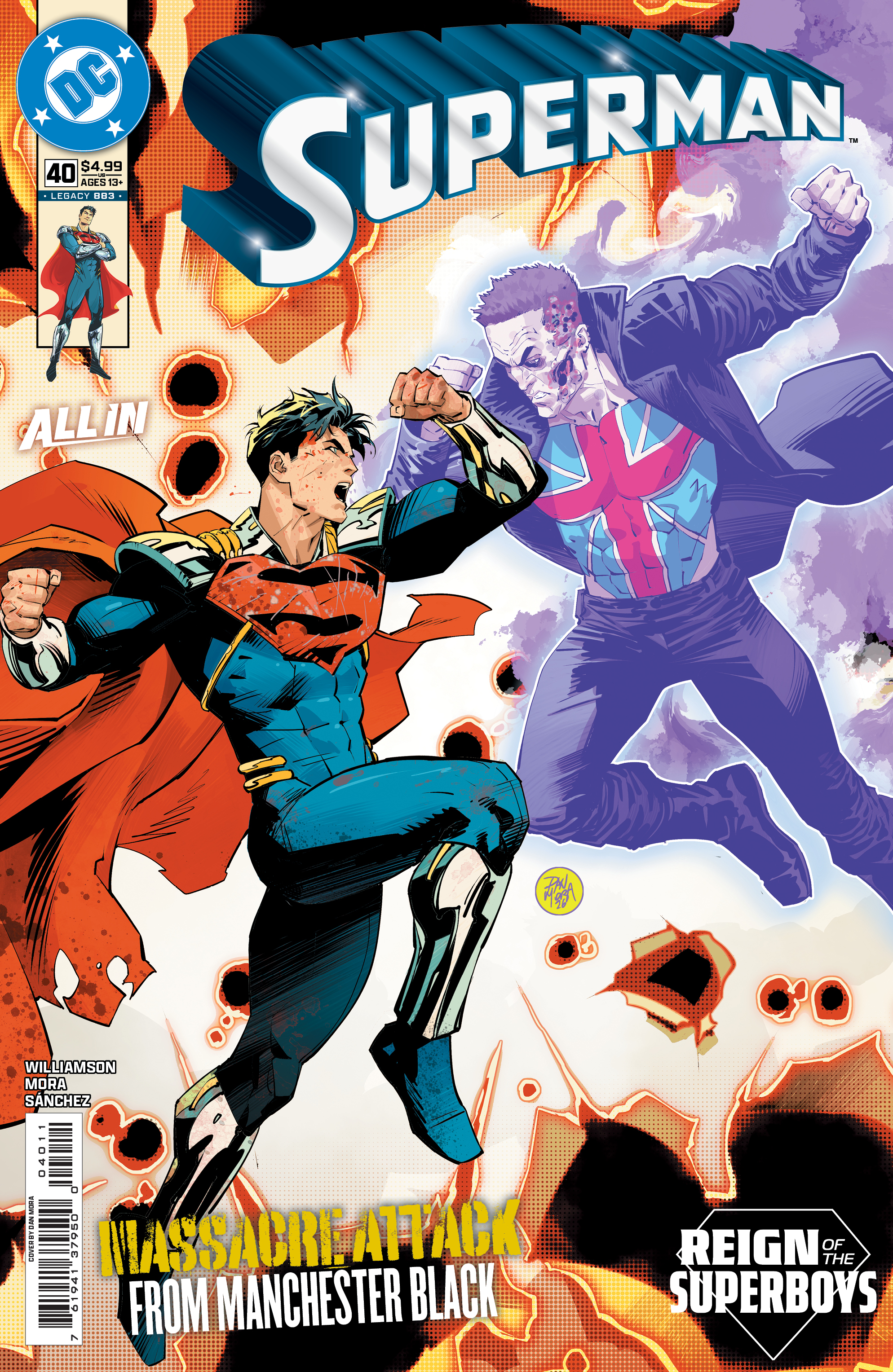
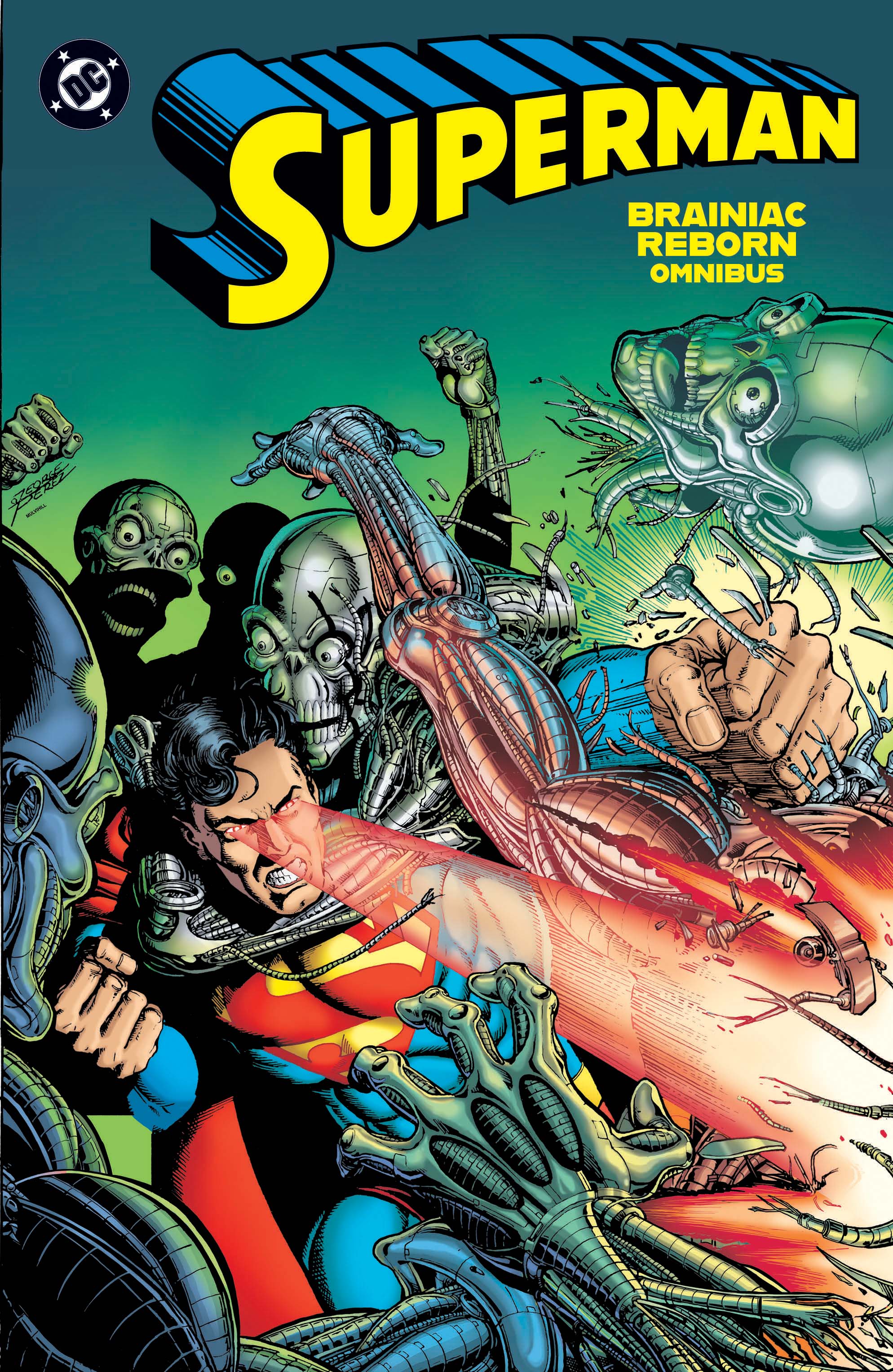
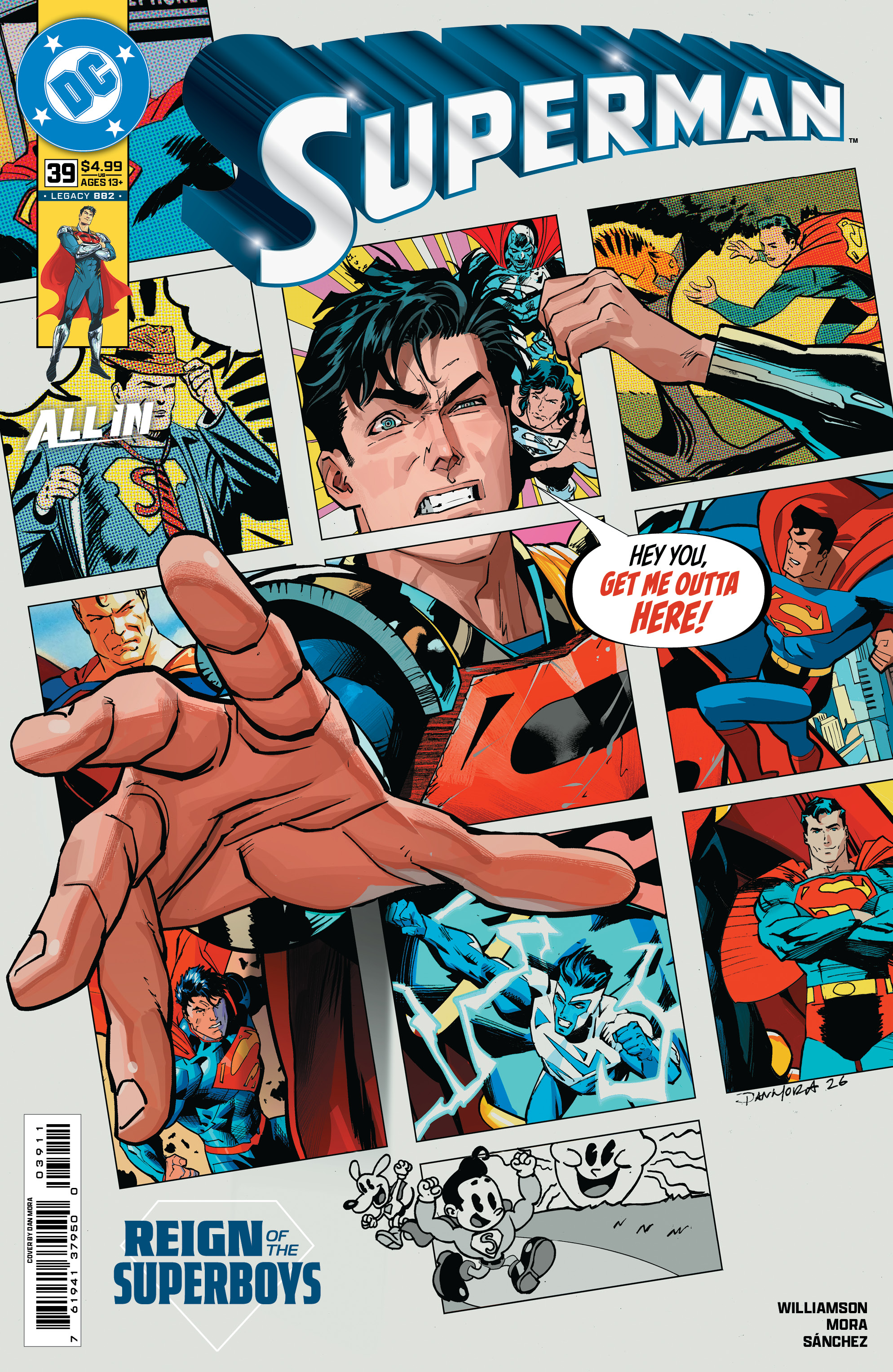
If a comic fan thought leaving X-Men was shocking, him leaving Marvel to work for DC by taking over writing and drawing Superman titles in the mid-1980s was an even bigger earthquake. Byrne’s Superman even made the cover of Time magazine. But the experience soon soured. He calls it the worst experience of his career.
“I’ve often said, ‘I wish I hadn’t done Superman,’ because DC lied to me at every turn. The whole project, which should have been a dream come true, was just an endless stream of disappointments and frustration and ultimately I quit,” he says.
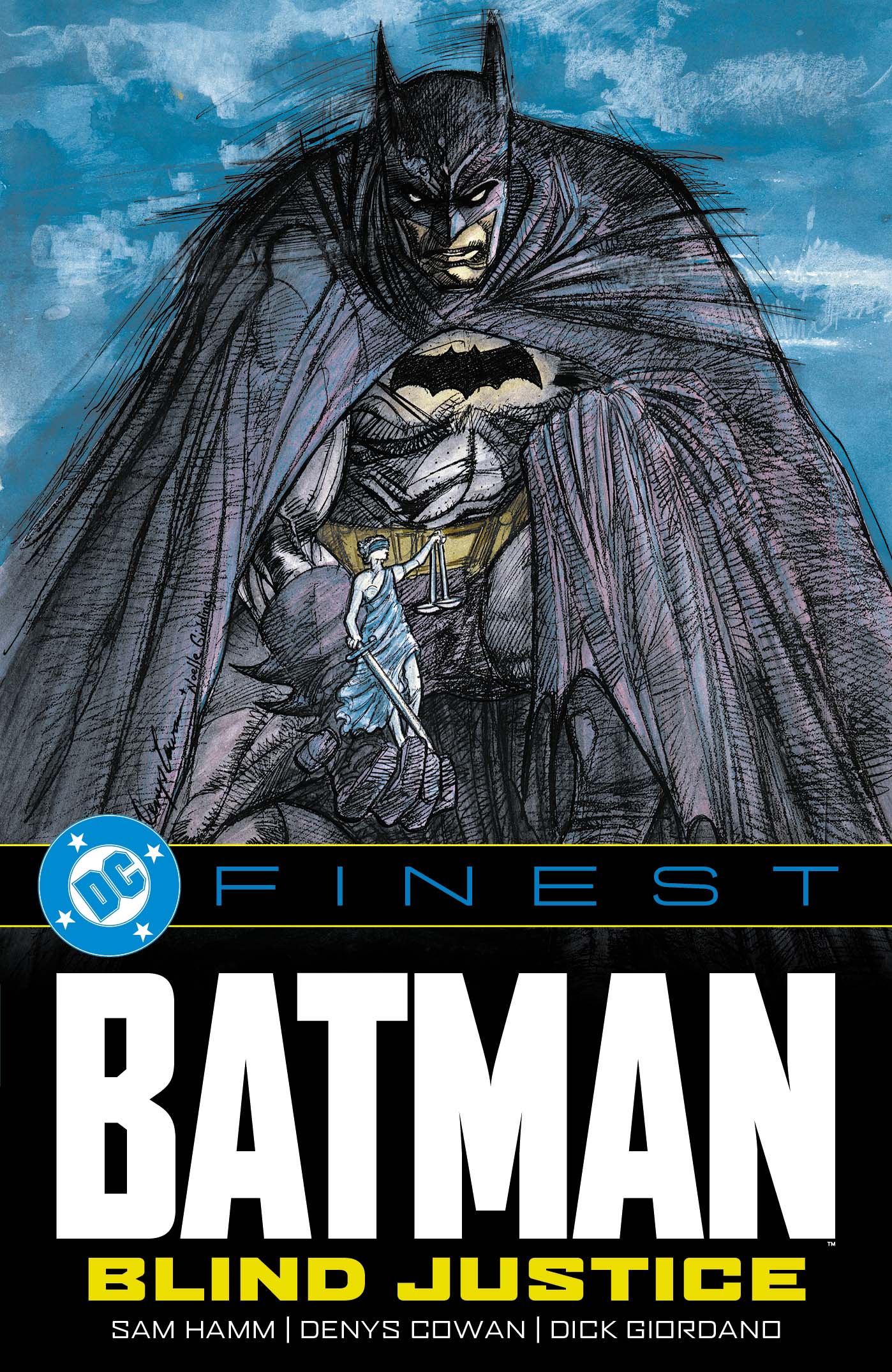
Byrne, whose own career could fill an entire volume of Elsewhens or What Ifs, then lays out one entry. “I’ve often said ‘I wish I’d done Batman instead.’ There’s a different universe where I did Batman and maybe Frank Miller did Superman.”
For comic fans that would be a shocking divergent, as at the same time as Byrne took over Superman, Miller took over the stories of Batman, creating and co-creating the seminal works Dark Knight Returns and Batman: Year One.
His best experience, he says, did not involve Marvel of DC at all, and came later in his career when he worked on Star Trek and Angel, the latter based on a popular character from TV series Buffy the Vampire Slayer.
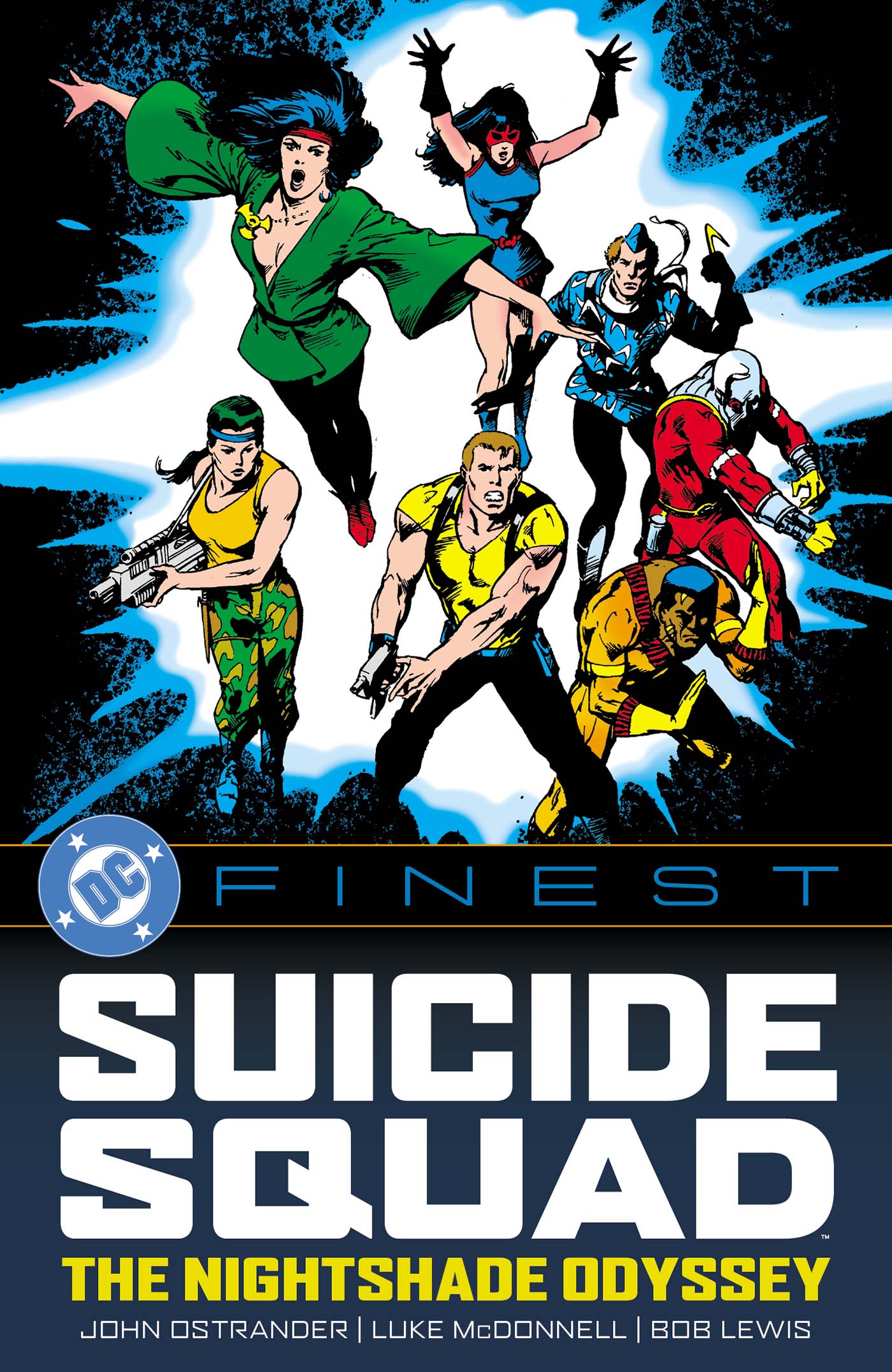
Byrne’s work has seen an outsized share of Hollywood attention. He co-created the character of Amanda Waller, played by Viola Davis in The Suicide Squad, while “Days of the Future Past” was the basis of an entire X-Men movie. “Dark Phoenix” was adapted into a movie two times in a 13 year span and into an animated movie once. “And one day, they’ll actually get it right,” he quips.
In fact, he can’t stand Marvel movies for the most part because he describes himself as a purist.
“I generally can’t watch (them),” he says. “I’ll start just to see what they’re doing and then I’ll go, ‘Oh no, this has got nothing to do with me. This is not my characters. This is not my story.’ In my mind, they’re so far off model. Everybody raves about Hugh Jackman and I say, ‘Well, he, to me, comes across as just a pretty boy coping an attitude. He’s not Wolverine. He’s too tall, for one thing.’ I can’t imagine Hollywood actually accurately casting Wolverine. The last (movie) that I watched and enjoyed was the first Iron Man.”
I mention to him that Marvel has had 37 movies and countless TV shows since Iron Man.
He has a response for that, too: “If you had come to me when I was 25 and said, ‘When you’re much older, theaters are going to be full of Marvel movies, movies based on Marvel Comics and you won’t be interested in seeing any of them,’ I would never have believed it, but that’s what it’s come to.”
That said, however, he admits he is more than happy to take Hollywood’s money for his part in inspiring movies and shows.
“I get these what I call mystery checks every once in a while and it’ll usually be a nice number and it’ll turn out to be some thank you,” he says. “I mean, I just got a phenomenal check for the most recent Superman movie. I’m the opposite of Alan Moore. I take the money.”
Byrne is coming to terms that, despite his foray out of retirement for Elsewhens, his time in comics may truly be coming to an end. He turns 76 in July and is very much aware that is in, as he says, “the epilogue of my life.” He finds himself asking the existential question of how much time does he have left? And the more artist-oriented existential question of, does he want to spent that time at a drawing board?
“I’m starting to believe that Elsewhen is going to be my leaving in a blaze of glory,” he says.
2 users thanked author for this post.